

Unstructured outdoor play isn’t a break from learning, it is the learning!
“We are fully human only while playing, and we play only when we are human in the truest sense of the word.”
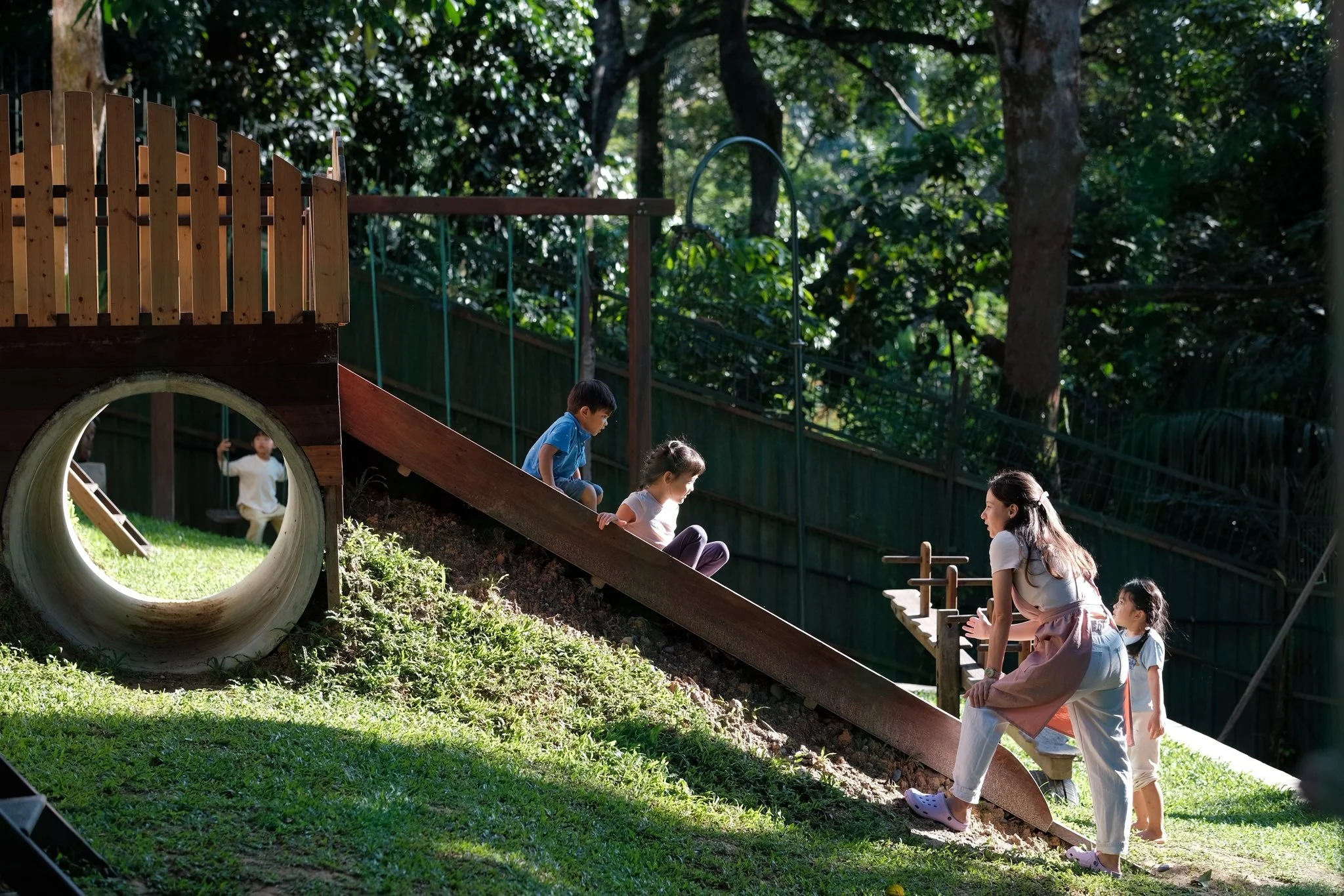
Outdoor play is essential for healthy development in children aged 4–6. This is a time when children strengthen what Steiner described as the four lower senses, which form the foundation for learning, emotional regulation, and physical well-being.
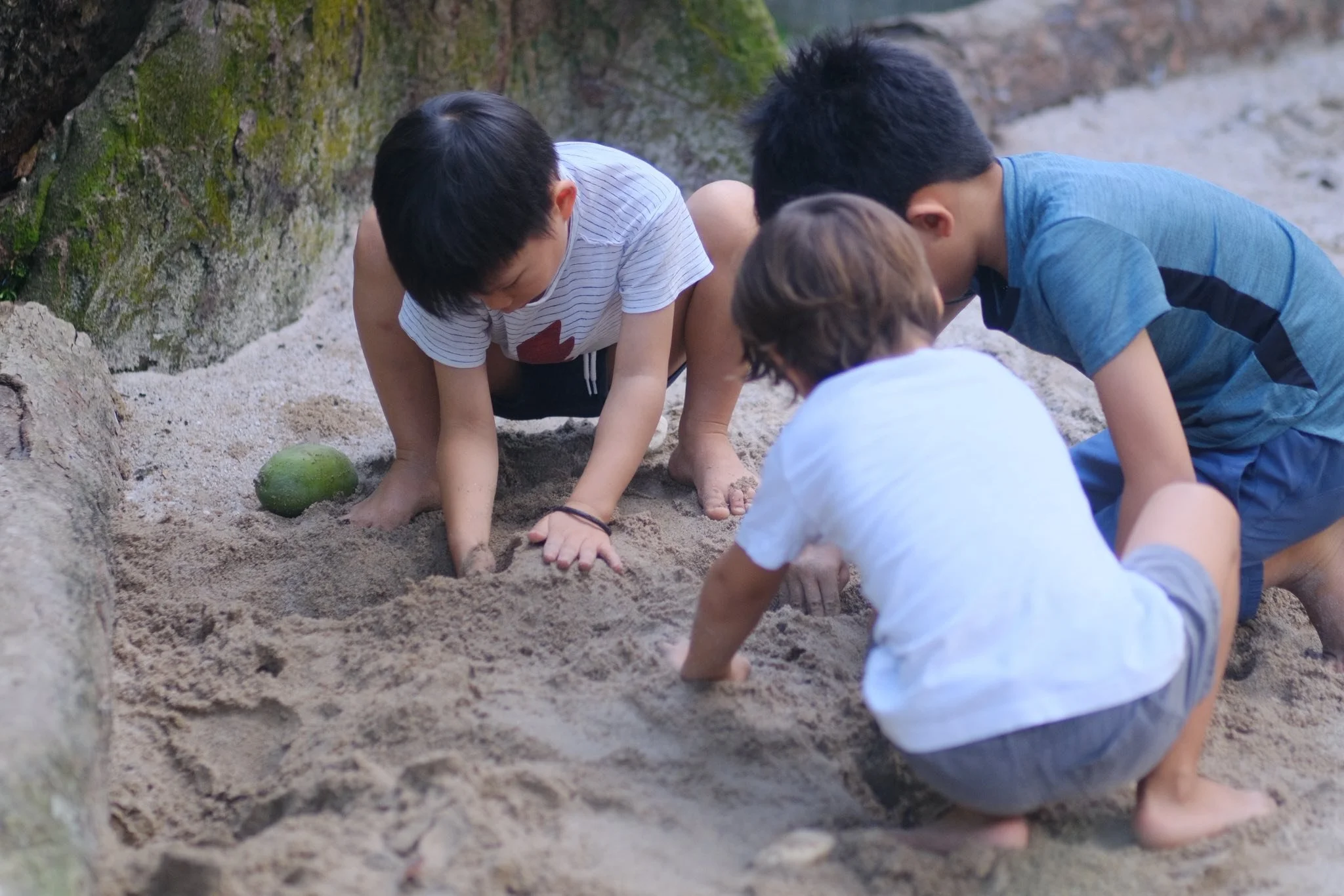
Sense of Touch This sense develops when children interact directly with their environment. Playing with sand, soil, water, stones, and natural materials helps children understand boundaries, textures, and their relationship with the world around them. These experiences support body awareness and help children feel secure and grounded.
Sense of Life The sense of life relates to how children experience their internal well-being. Active outdoor play supports healthy body rhythms, builds vitality, and allows children to develop awareness of their physical needs such as rest, movement, and energy levels. A child who moves and plays freely strengthens their overall sense of physical comfort and health.
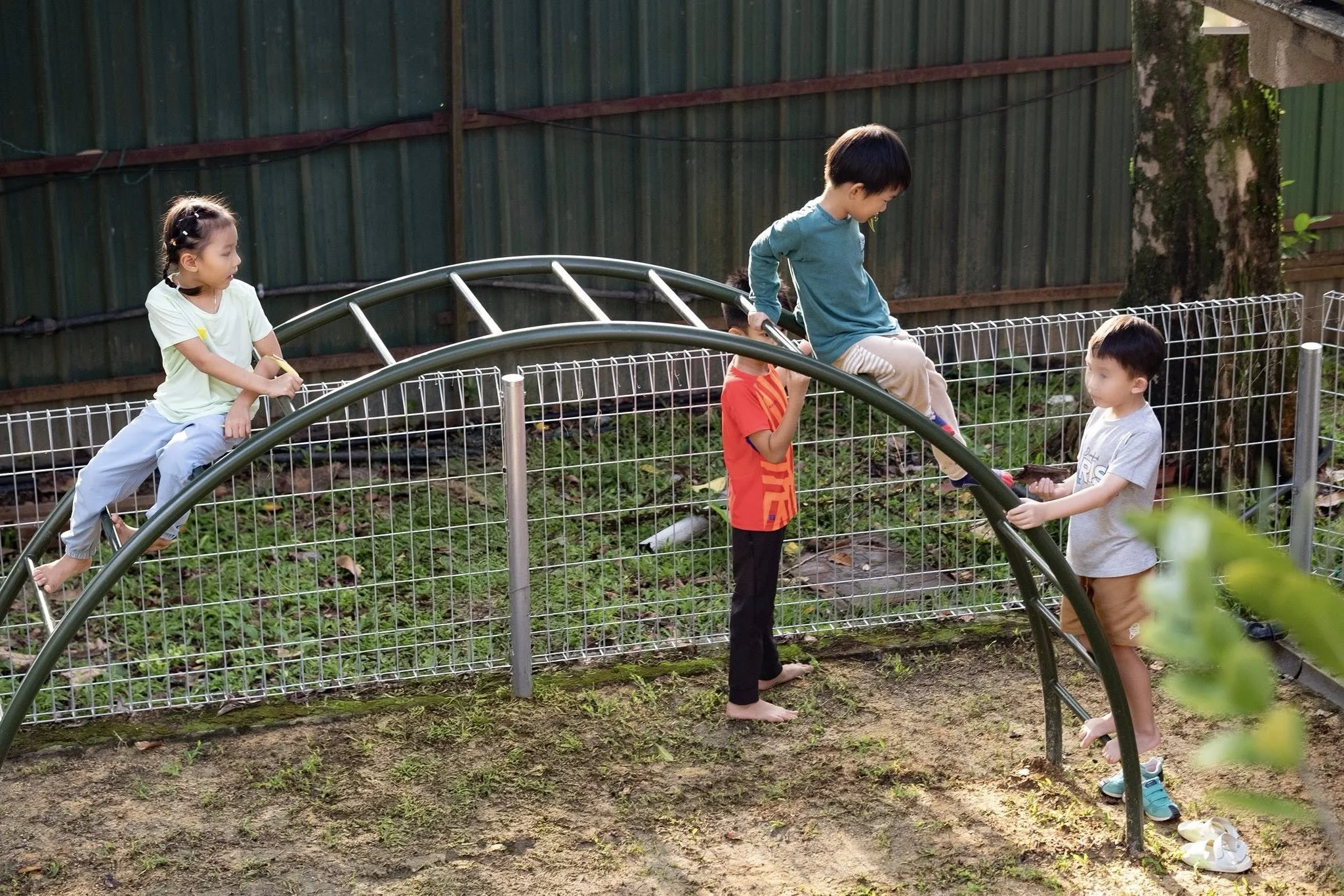
Sense of Movement Running, climbing, jumping, and free play help children understand how their body moves and coordinates in space. Through repeated movement experiences, children build motor skills, coordination, and confidence in their physical abilities.
Sense of Balance Walking, running, and exploring uneven surfaces such as grass, slopes, sand, and natural terrain help children strengthen balance and spatial awareness. These experiences support stability, posture, and confidence in navigating their environment.
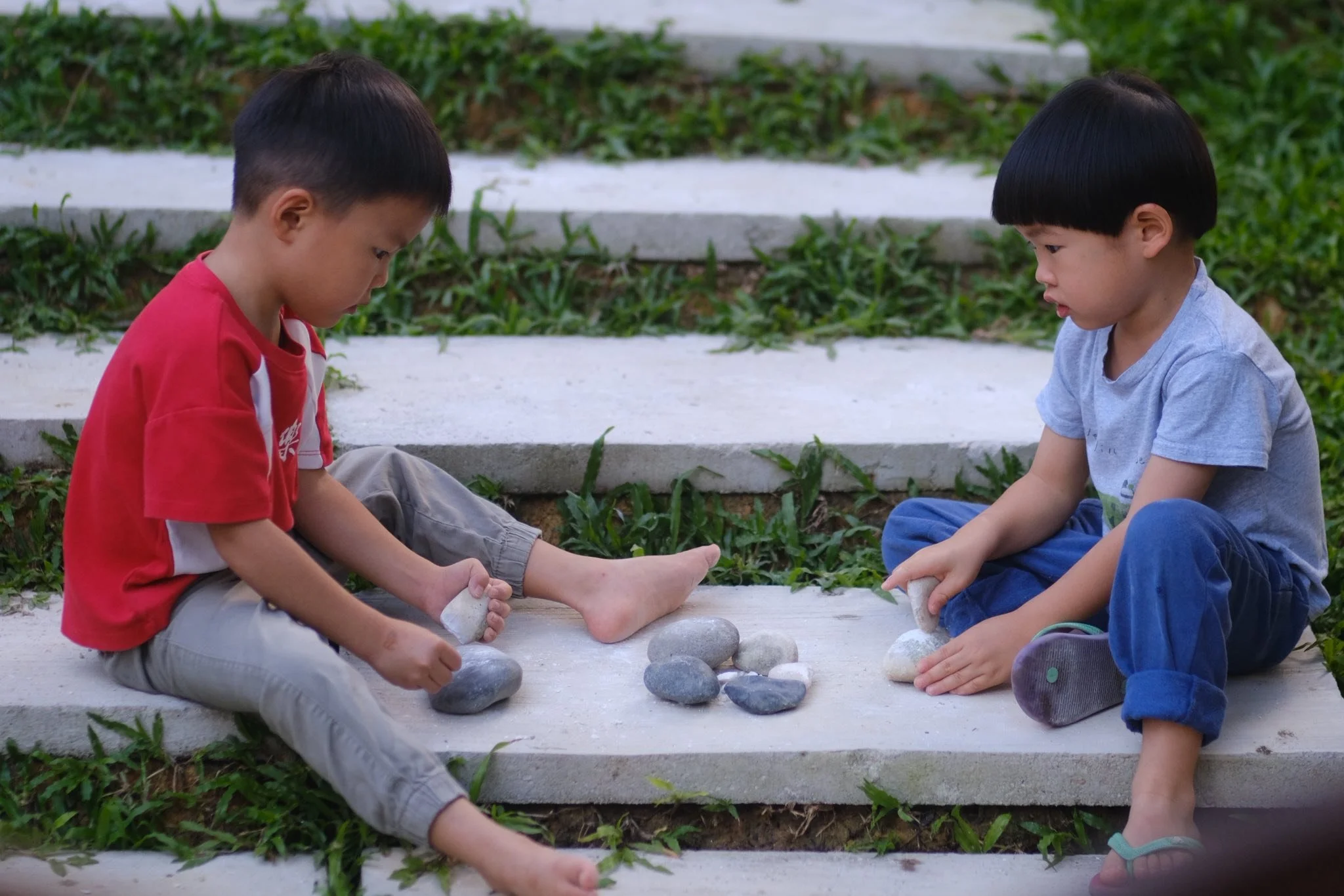
Through meaningful outdoor play, children build strong sensory foundations that support lifelong learning, resilience, and well-being. In Rudolf Steiner education, nature becomes an important teacher in nurturing the whole child.